

When I started learning Arabic ten years ago, I vividly remember feeling intimidated by those unfamiliar letters so different from the Latin alphabet. Today, as a non-native Arabic teacher, I share my passion for this language with my students every day.
Through my journey, I’ve learned that with effective methods and a good dose of perseverance, anyone can master Arabic. Here are the five essential tips that helped me most and that I now apply in my teaching.
1. Expose Yourself to Arabic Daily
To make progress in Arabic, immerse yourself in the language as much as possible. One effective way is to watch Arabic content like news programs, documentaries, or even cartoons.
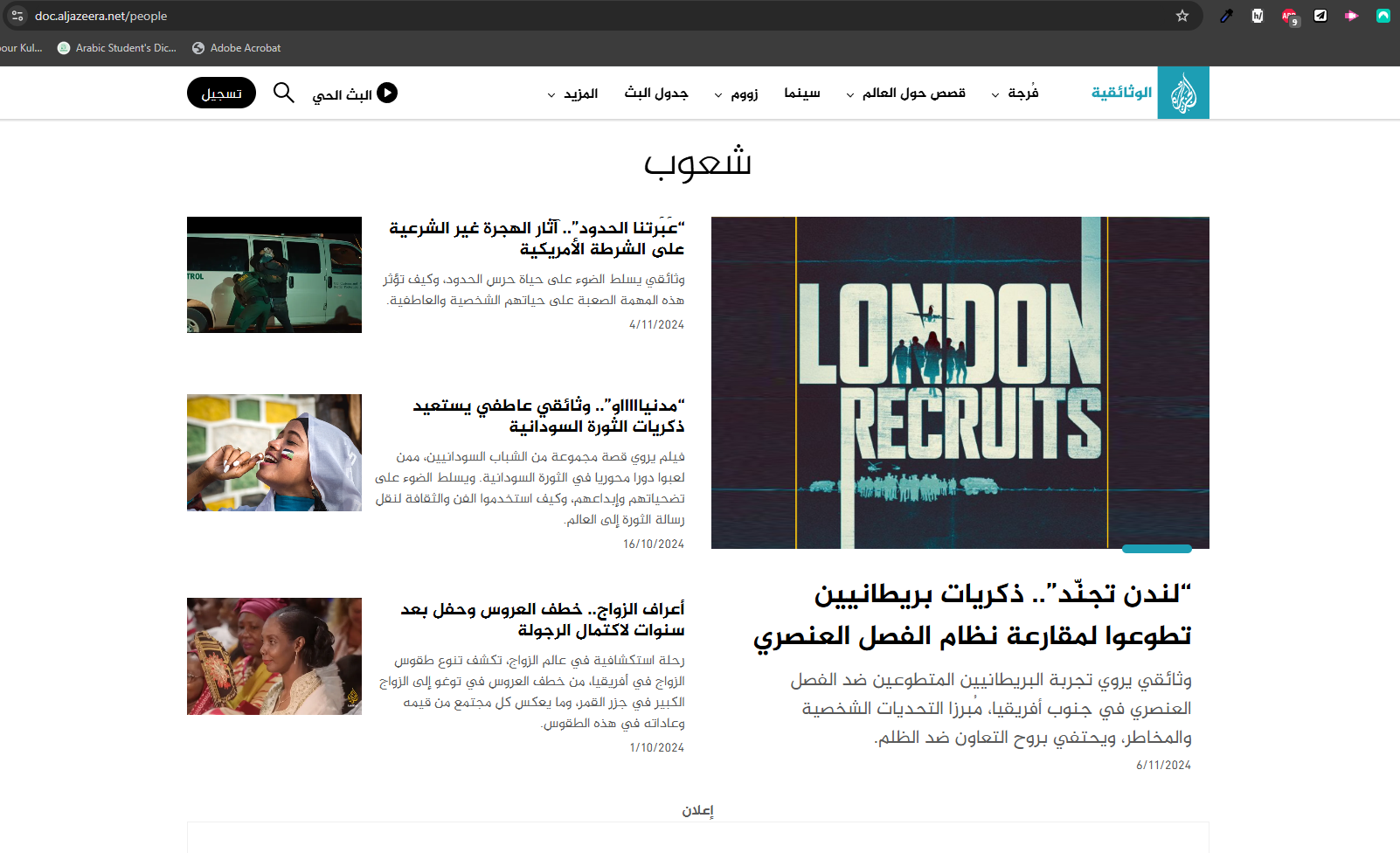
One excellent resource I recommend is الجزيرة الوثائقية the documentary platform of Al-Jazeera. It offers a wide array of engaging documentaries in Modern Standard Arabic (MSA), covering a diverse range of topics to suit various interests.
Children’s programs are especially great for beginners, as they use simple, accessible vocabulary. You can, for example, watch Sponge Bob in Arabic from the Nickelodeon Arabia channel on YouTube.

Additionally, listening to the Quran is incredibly beneficial, whether you’re Muslim or not. Standard Arabic (Fusha) has its roots in the Quranic text, making it one of the purest forms of Arabic. Regular listening to the Quran, with its unique rhythm, helps you memorize words and develop a stronger understanding of the language. It also offers insight into cultural concepts still prevalent in the Arab world today.
Select content that truly interests you to stay motivated and engaged. Avoid my early mistake: I forced myself to watch serious documentaries that didn’t interest me at all, and I quickly got bored and gave up. Stick with content you’re genuinely passionate about. Even if you don’t understand everything at first, keep at it. Your brain will gradually get used to the sounds and structures, and you’ll start to pick up new words and expressions.
- Tip: Watch programs that interest you and listen to the Quran regularly to improve your comprehension.
- Remember: Consistency is key. Even just a few minutes a day can make a big difference.
2. Practice with Native Speakers
Exchanging conversations with native speakers is by far the most effective way to improve your Arabic. However, choosing the right platform is crucial. While popular apps like HelloTalk and Tandem have their place, they can sometimes be unproductive. Many users on these platforms aren’t serious, and you may waste time searching for a dedicated conversation partner.
Instead, try conversationexchange.com. This site doesn’t allow profile photos, attracting people genuinely interested in language exchange. As a result, you’re more likely to meet committed and serious partners who will help you improve.

Practicing with Arabic speakers is a fantastic way to boost your confidence when speaking Arabic. It will also help you refine your pronunciation, learn idiomatic expressions, and understand cultural nuances better.
- Tip: Schedule regular sessions to maximize your progress.
- Pro tip: Take notes during your conversations to review and reinforce later.
3. Read Every Day, Even a Little
Make it a habit to read at least one short newspaper article daily. This exposes you to various topics, grammatical structures, and familiarizes you with the language of the media, which often blends formal and everyday vocabulary.
My daily ritual? I start each morning with a short article from Al-Jazeera. Even if I didn’t understand everything at first, I used to jot down frequently occurring words. It’s fascinating to see how those words become familiar over time.

If newspaper articles feel overwhelming, start with simpler texts like blogs or children’s stories. The Quran is another invaluable resource, even if you’re not Muslim. Reading the Quran will deepen your understanding of classical Arabic, the language’s very foundation. Its rhythmic structure aids memorization and gives insight into cultural ideas still widespread in the Arab world.
For an easier start, children’s stories or beginner-friendly blogs work well. You can also use apps like Duolingo, Mondly, or Alifbee for short, interactive lessons to reinforce your basics in a fun way.
- Tip: Start small. Even a paragraph or sentence is enough, as long as you stay consistent. Vary your reading material to keep things interesting.
- Reminder: Write down new words and review them regularly.
4. Create a Vocabulary Notebook
Memorizing vocabulary is crucial to language learning. Keep a personal vocabulary notebook, whether it’s a physical one or a digital notepad on your phone. Whenever you encounter a new word—while reading, watching videos, or talking with native speakers—write it down.

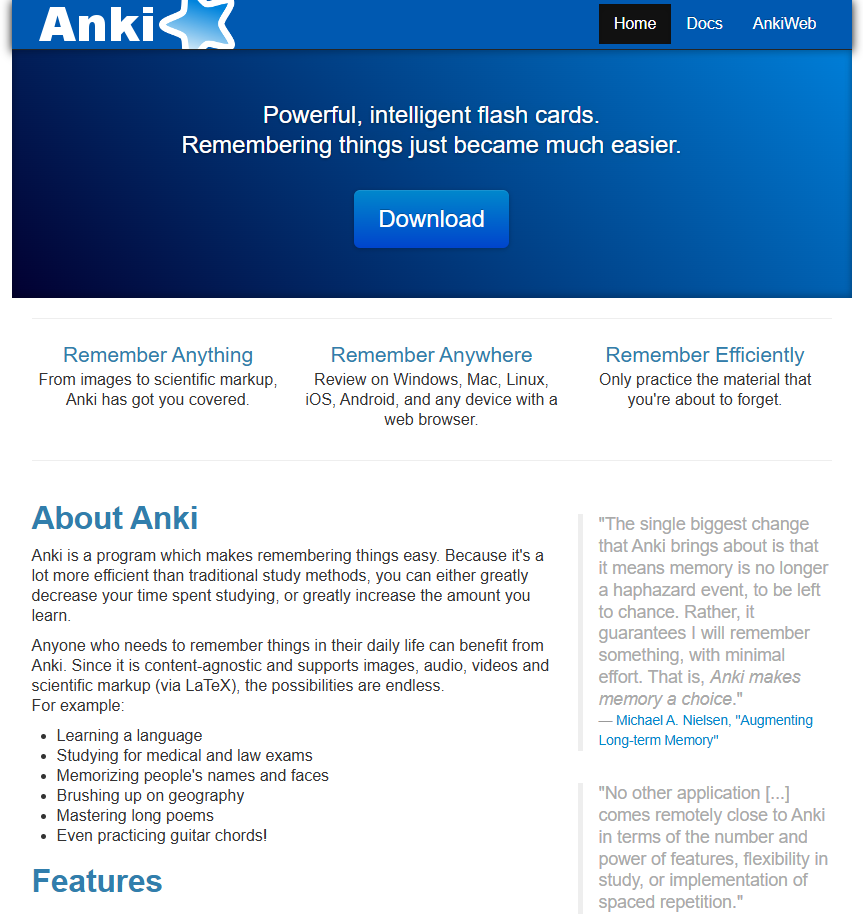
Review your list regularly to ensure the words stick. A useful technique is spaced repetition, where you review words at gradually increasing intervals. Apps like Anki can help optimize this method.
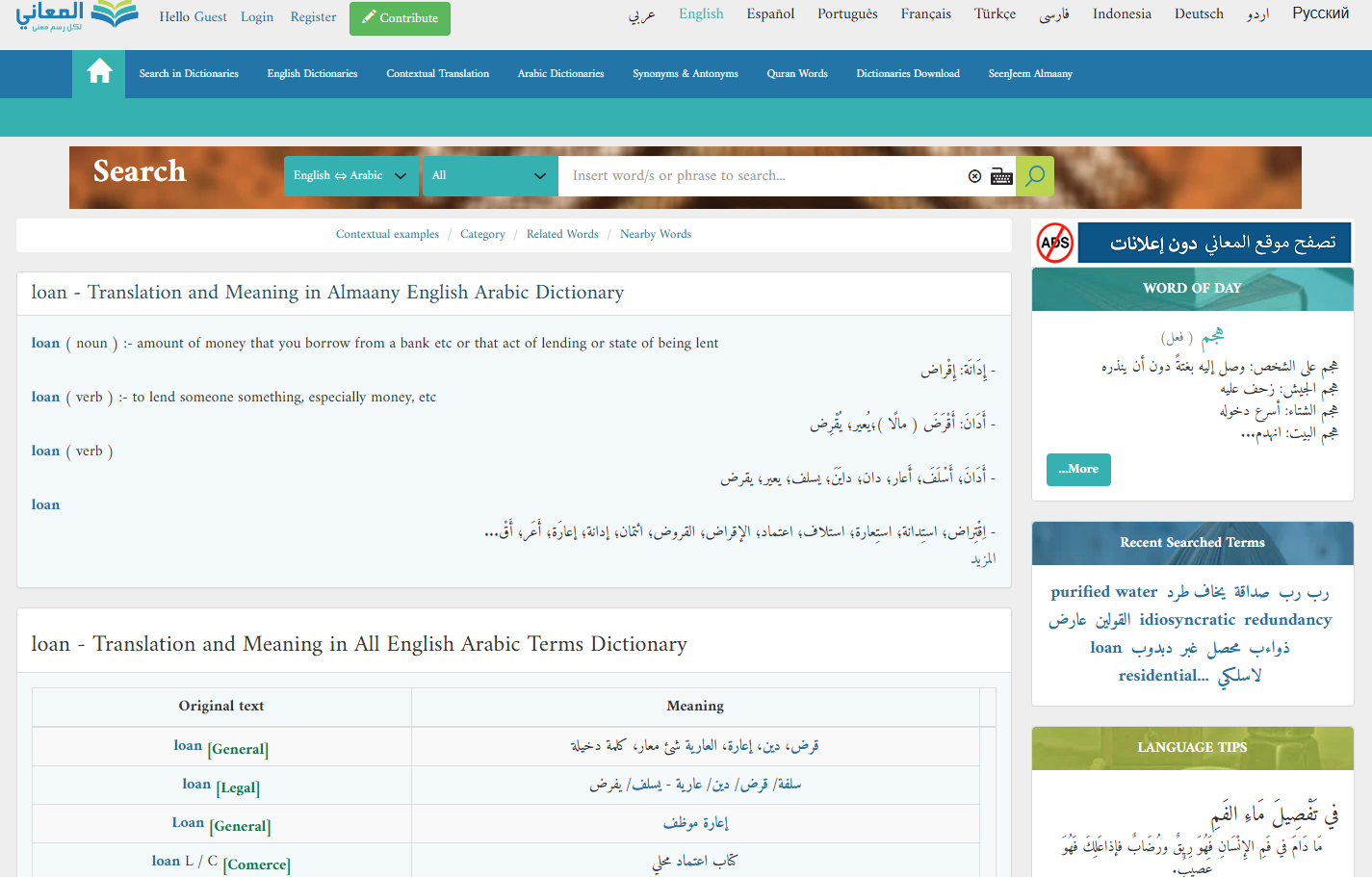
When looking up unfamiliar words, two valuable resources are the Almaany and Reverso, both offering usage examples. This will help you understand and retain vocabulary more effectively.
- Tip: Review your vocabulary regularly to commit it to memory.
- Extra tip: Use the words you learn in sentences and conversations to make them stick.
5. Learn Vocabulary and Grammar in a Comprehensive Way
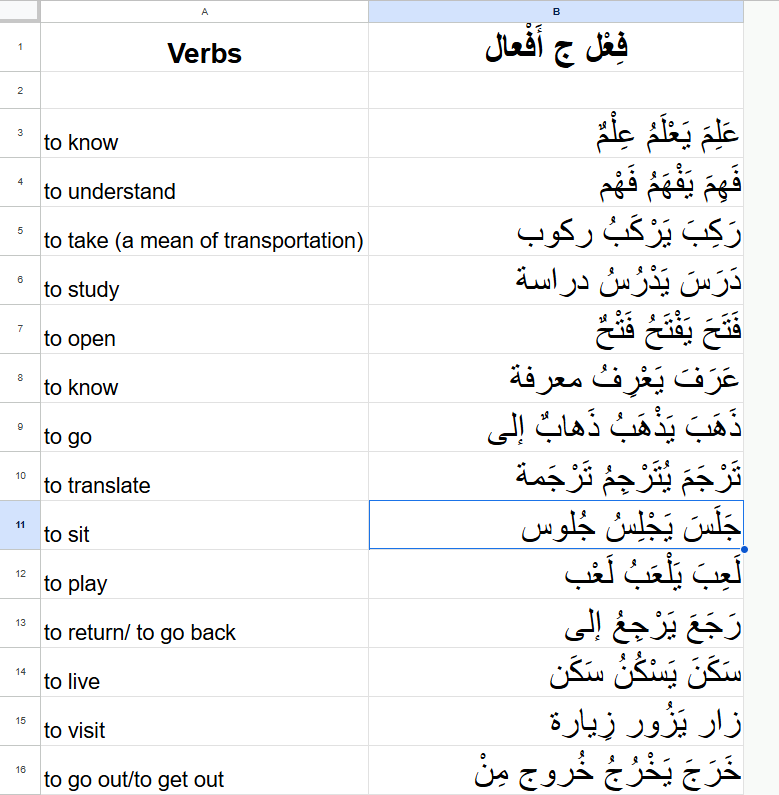
When learning Arabic, it’s vital to study vocabulary and grammar comprehensively. For nouns, learn both the singular and plural forms, as plurals are often irregular. For verbs, memorize the past, present, and the masdar (مصدر). You’ll notice that verbs in Arabic dictionaries are always listed with three key forms: the past tense (ماضي), the present tense (مضارع), and the masdar (مصدر). These three forms are essential because:
- Masdar: The verbal noun, which is crucial for understanding the meaning and forming certain sentence structures.
- Perfect tense: The base form you use to recognize the verb.
- Imperfect tense: Helps you understand how to conjugate and use the verb in ongoing actions.
Review grammar basics regularly. The more you practice, the better you’ll grasp sentence structures and the nuances of the language. Invest time in mastering these concepts—they will greatly enhance your speaking and writing fluency.
- Reminder: Arabic learning is a marathon, not a sprint. Be patient and consistent.
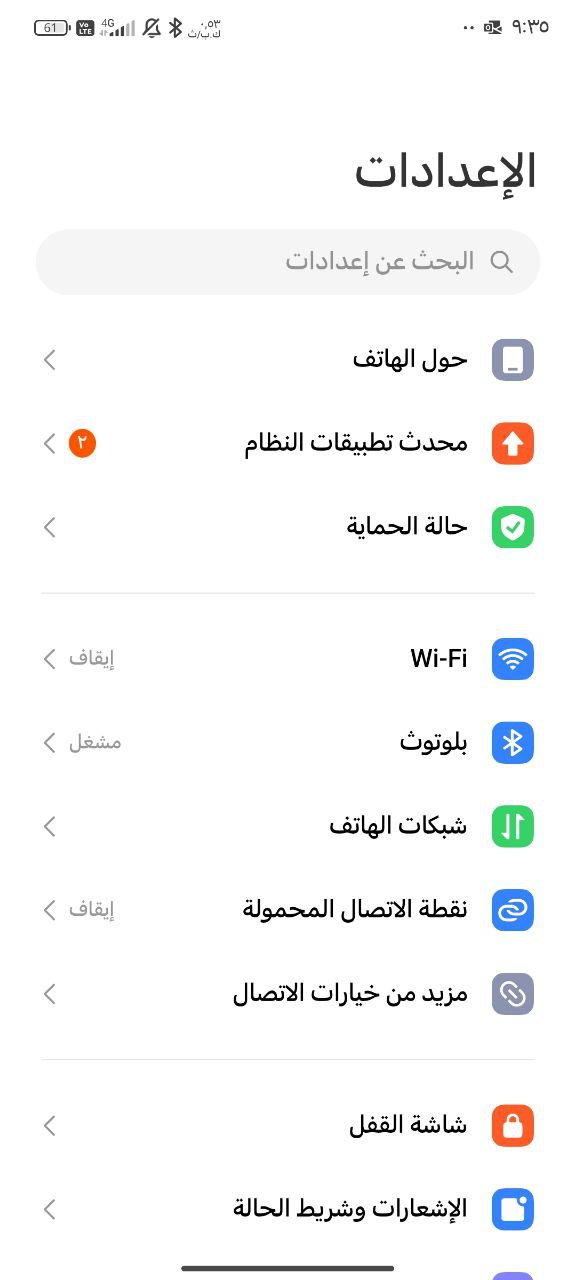
Bonus: Put Your Phone in Arabic
A simple yet effective way to immerse yourself further in Arabic is to set your phone’s language to Arabic. This change may feel intimidating at first, but it’s a fantastic way to learn practical vocabulary and understand sentence structures used in everyday tasks.
Benefits:
- You’ll quickly learn common words related to technology and daily life.
- Navigating your phone in Arabic will reinforce your language skills effortlessly.
- You’ll become more comfortable with reading Arabic in various contexts.
The Final Word: Your Journey is Unique
Learning Arabic is a long journey that requires patience and dedication. Don’t expect instant results, and don’t feel discouraged if you don’t grasp everything right away. As a non-native teacher, I’ve faced the same frustrations and setbacks. But it’s precisely this experience that allows me to guide my students effectively.
Remember: Every mistake and moment of confusion is part of the learning process.
Most importantly, don’t compare yourself to others. Some of my students excel in conversation but find writing difficult, while others are grammar experts but feel shy when speaking. It’s normal! Each journey is unique, and that’s what makes learning a language so beautiful.
f you apply all of these tips rigorously, you’ll make leaps of progress before you even notice. Keep exploring Arabic because the journey is worth every step.
يلا نبدأ (Yalla nebda! – Let’s get started!)
من لم تكن له بداية محرقة، لم تكن له نهاية مشرقة
ابن عطاء الله السكندري
He who does not have a fiery beginning, does not have a bright ending.
Ibn Ata’ Allah al-Sakandari
⌨️ Practice Arabic typing with our Arabic keyboard featuring automatic tashkil/diacritization
